Ibiza's hippie legacy
The island of Ibiza is known for its parties and nightlife, but it also has a rich history and a unique culture fueled by a strong hippie influence. Many hippies still live today in residences or holiday homes, but there are also numerous open spaces where they can gather for concerts, rallies, performances, and costume parties. But where did this hippie culture come from, and how has it impacted the island's way of life?
The hippie legacy today
Having left the island due to rising housing, food, and party entrance fees, the influence of the hippies is still visible in Ibiza today. New arrivals have more money, but the mindset remains the same. In fact, Ibiza is now more inhabited by hippie culture than by actual hippies.
Hippie markets, hippie clothing shops, and vegetarian and vegan restaurants can be found all over the island. Electronic music, which has become one of the most popular genres in Ibiza, also has its roots in hippie culture. You can admire the bronze statue unveiled in the port of Ibiza Town in 2016 in memory of this culture. Created by the Catalan artist Ció Abellí, it depicts a hippie and his daughter walking on a world map. The artwork is inspired by a photograph by the renowned photographer Toni Riero taken in the 1970s.
Hippie markets
Hippie markets are a must-do activity on the island, open all week long. From craft stalls and vintage clothing to food and musical performances, everything is there to ensure you have a great time. To help you choose which market to visit, here are four must-sees:
- Las Dalias
Located near Santa Eulalia, this market is one of the largest and most famous in Ibiza. Held every Saturday during the summer months, it boasts over 200 stalls, and parking is inexpensive. You'll find everything from clothing and jewelry to souvenirs and handicrafts. The market is also known for its live music and food stalls. Enjoy a glass of wine and some chocolate-dipped churros while you're there. For an even better experience, consider visiting the Las Dalias Night Markets between June and September.
- Punta Arabí
This market is located in Es Canar and has been held every Wednesday from April to October since 1973. It started with only five stalls, but since then, the Punta Arabí market has become one of the most popular hippie markets on the island and now boasts over 500 stalls. It is smaller than Las Dalias, but offers a more authentic atmosphere. You can find handcrafted goods, vintage clothing, and handmade jewelry. The market is also a great place to sample local specialties.
- Saint George
In the south of Ibiza, not far from the island's airport, this market is held every Saturday morning at a racetrack in Sant Jordi. It's known for its chaotic atmosphere and affordable prices. A little tip: don't hesitate to haggle, as bargaining is quite common at Ibiza's hippie markets. You can find everything from antique furniture and vintage clothing to toys and trinkets. The market is also a great place to catch a flamenco show.
- Saint Joan
This market is one of the most authentic and least known in Ibiza. It takes place every Sunday morning in the village of Sant Joan, around the church, where you can watch the stalls being set up and taken down between 10 am and 2 pm. You'll find handcrafted goods, unique jewelry, and colorful clothing. The market is also a great place to sample local specialties.
The origins of hippie culture in Ibiza
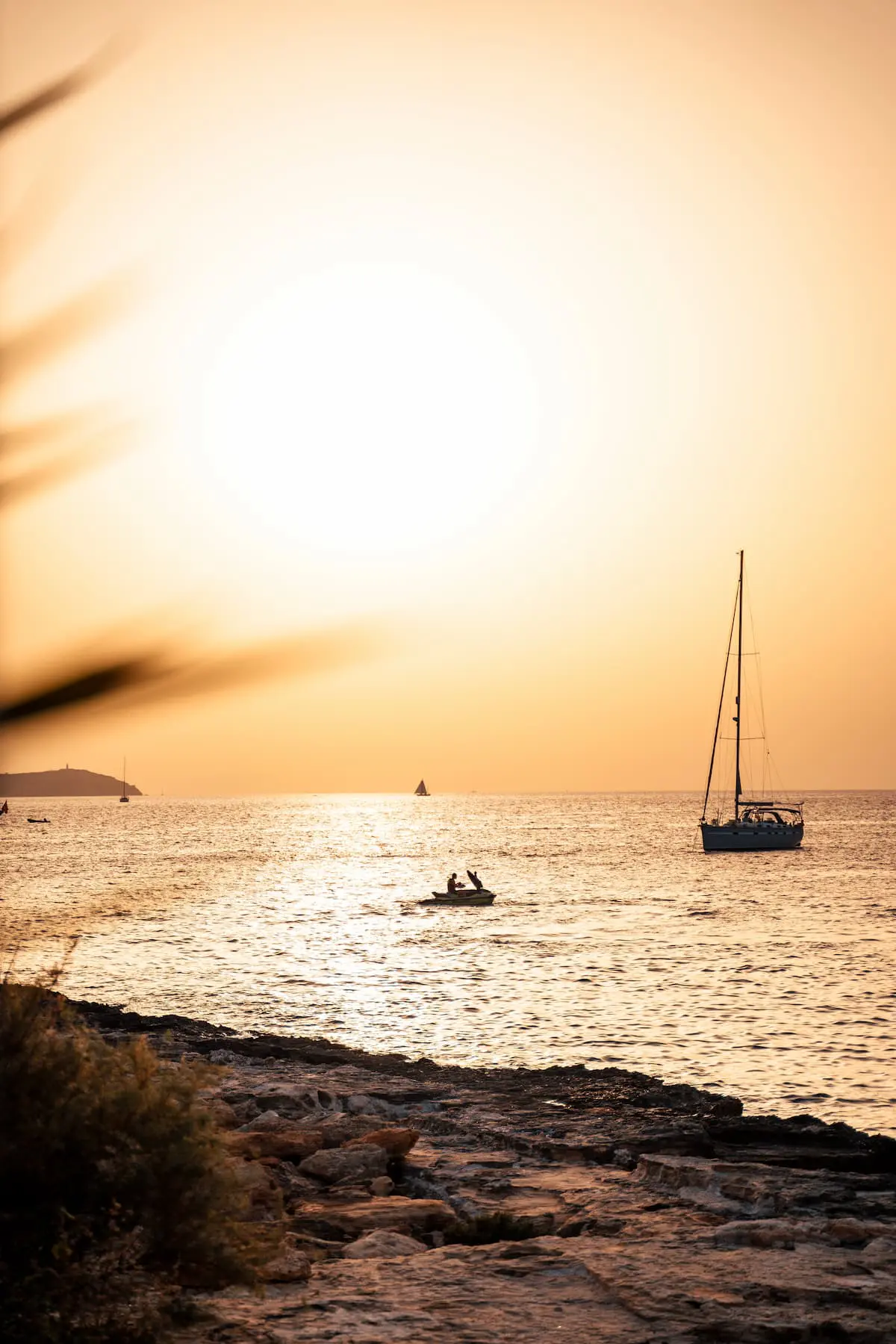
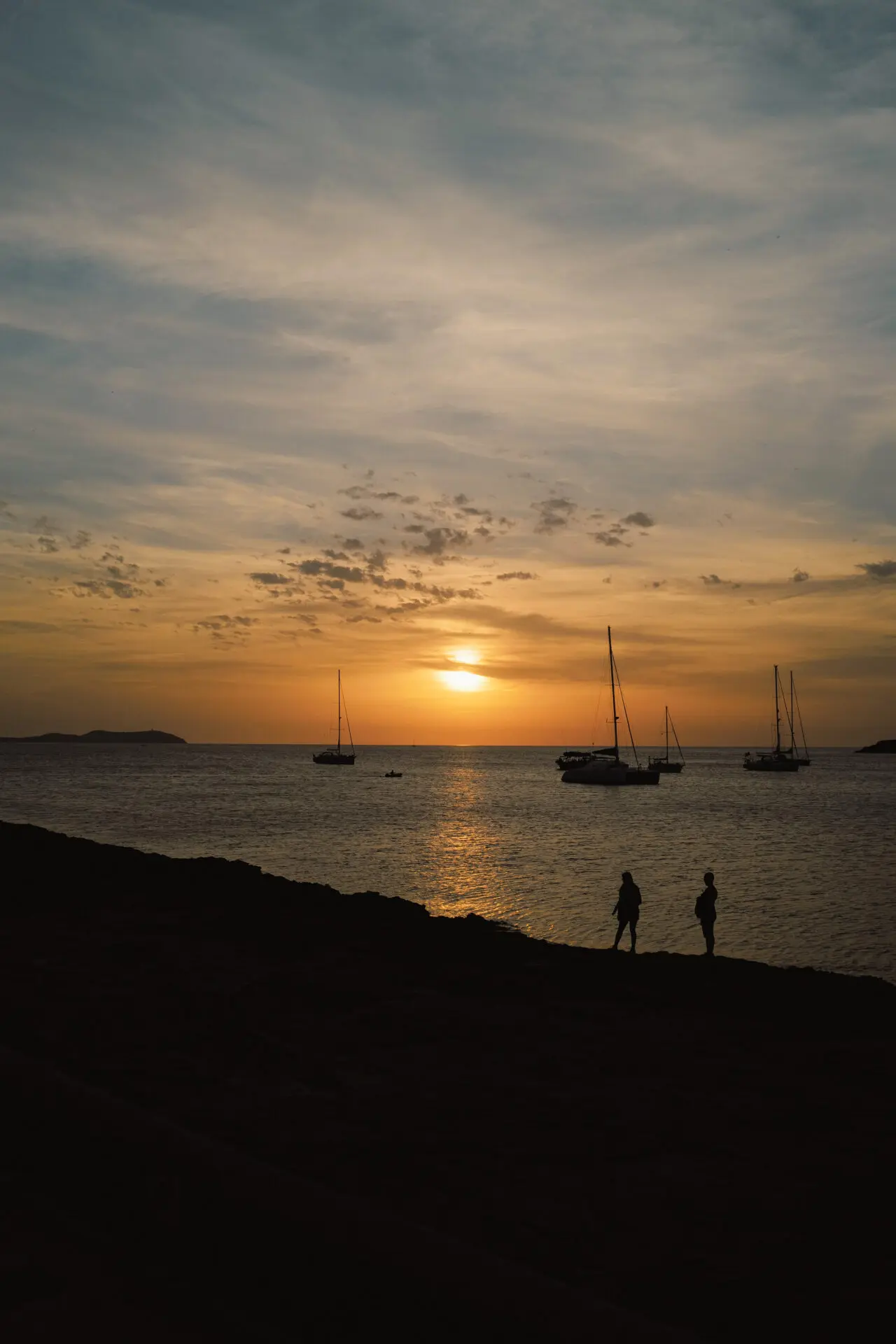
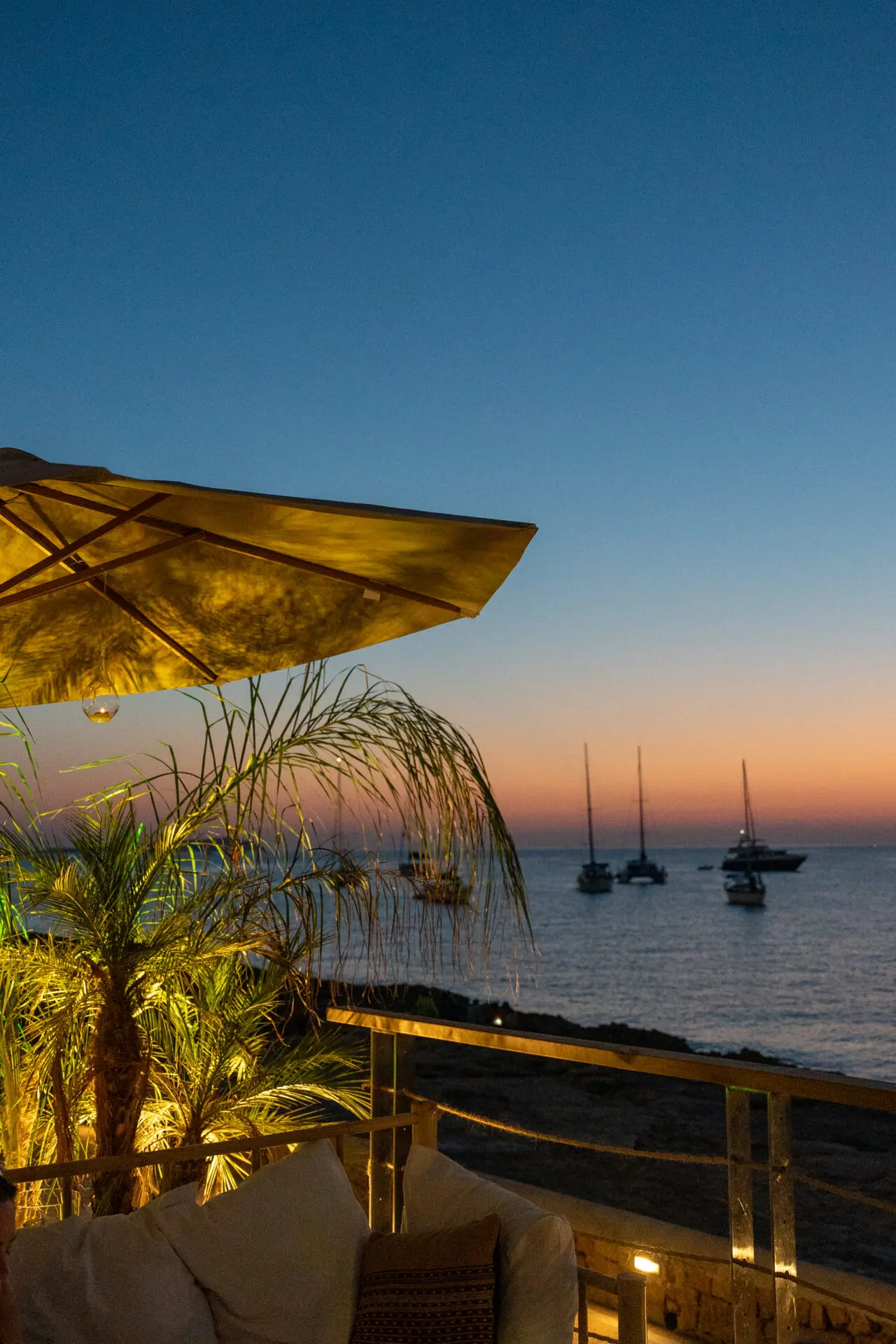
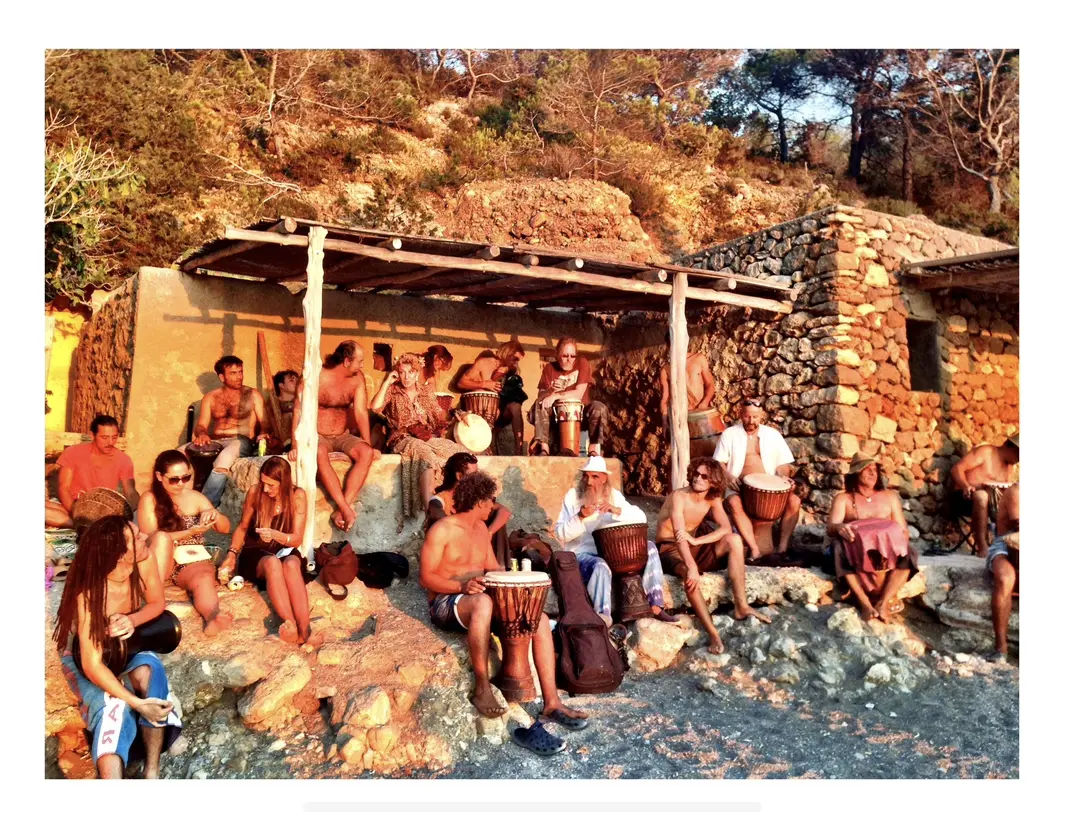
Hippies began arriving in Ibiza in the 1960s. Seeking refuge from Franco's dictatorship and in search of spirituality, they were drawn to the island by its warm climate, stunning scenery, and laid-back atmosphere. They settled inland and formed communities with a culture, values, and traditions that have endured. A famous example, still celebrated every summer, is the Drum Festival Benirras on the beach of the same name. This iconic hippie celebration features dozens of drums beating at sunset.
The influence of hippies on Ibiza culture
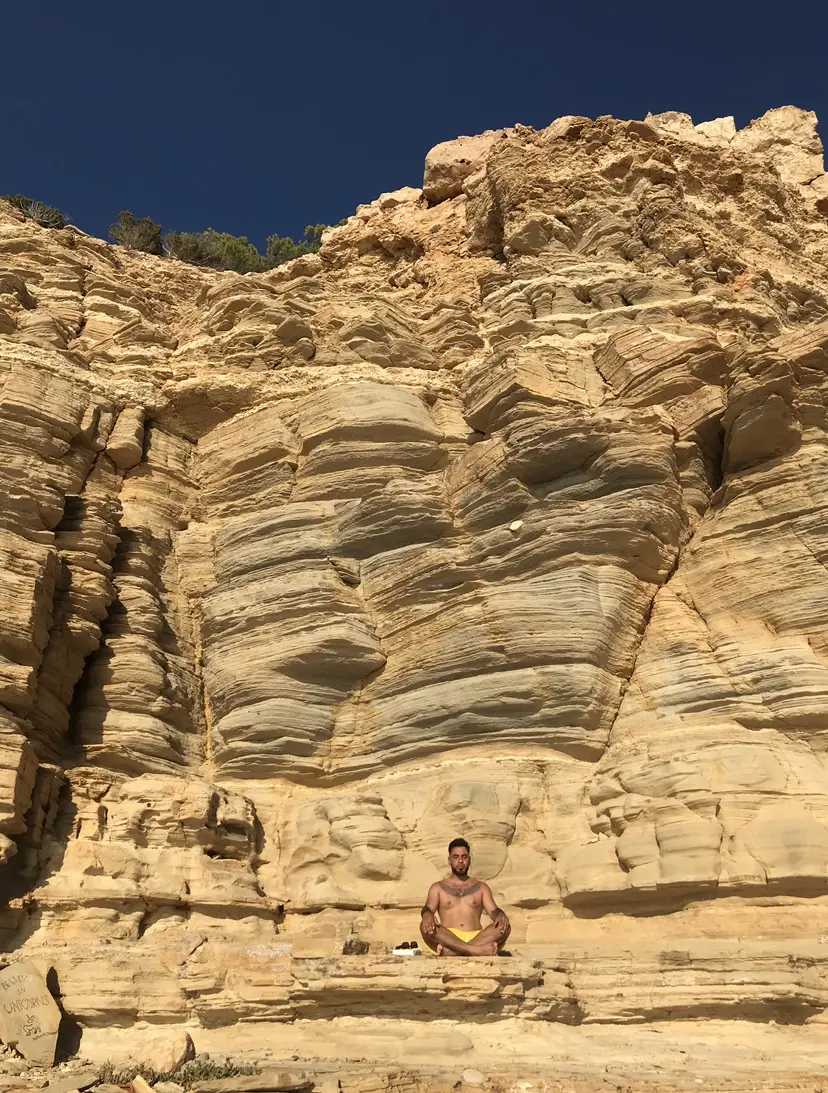
Hippies helped shape Ibiza's culture in many ways. They introduced new ideas about art, music, spirituality, and the environment. They also helped popularize the island with tourists from all over the world. These "babas" were a catalyst for the growth of electronic music and party culture in Ibiza, which became very lucrative industries. rituals Hippie from India were also imported. Thus, the island became a place of meditation and spirituality. It was common for the "babas" to take advantage of dusk to meditate, one of the practices of sun worship.
The hippie legacy is an important part of Ibiza's culture; their influence is still visible today. It helped make the island a unique and special place. They brought with them their own values and way of life, which had a profound impact on the island's culture, whether it be new ideas about art, music, spirituality, or the environment.